Hans Meyer’s murder
The Collini CaseHans Meyer’s murder is the first decisive act in the case: Fabrizio Collini kills Meyer in a hotel suite, alerts the police, and makes no attempt to flee. The sequence presents the killing not as an escape or a concealed crime but as an act Collini has been waiting to answer for; his later confession reveals the deception that brought him to Meyer’s door.
The Meeting in the Suite
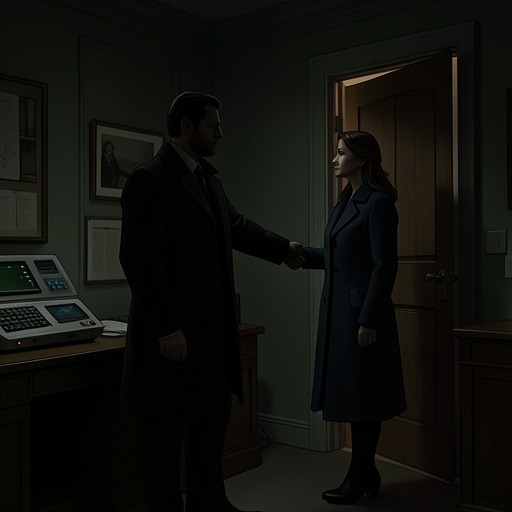
Collini went to the fourth floor, checked the room numbers, and knocked at Room 400, the Brandenburg Suite. He introduced himself to the eighty-five-year-old Meyer as a reporter from the Corriere della Sera. The meeting appeared to be an interview, but it had been arranged under a false identity: when he confessed two weeks later, Collini told investigators that he had pretended to be a journalist and fixed a date through Meyer’s secretary.
The room’s ordinary details sharpen the contrast between the apparent appointment and what followed. The suite had large windows overlooking the Brandenburg Gate, and Collini and Meyer spoke briefly before going into its sitting room. About twenty minutes after Collini arrived, Meyer was dead. The killing abruptly overturned the courteous frame of a scheduled professional visit.
After the Killing
Collini put his pistol on the table and remained beside Meyer. Afterward, he crossed himself, left the suite, and took the lift to the ground floor. At reception he told the young woman on duty to call the police. When she asked him questions, he gave only the room number and said that the man there was dead.
He then sat on a blue sofa in the lobby and waited to be arrested. His route back from the suite remained traceable in his footprints across the marble floor, through the lift, and back to the room. The physical trail and his decision to summon the police make the aftermath part of the event’s meaning: Collini did not conceal his identity from the authorities or try to escape the consequences.
Confession and Significance
Two weeks later, Collini confessed during questioning in a cramped interrogation room in Keithstrasse. When an officer placed photographs of the crime scene before him, the older officer tried to stop the images being used, since Collini was already confessing. Collini held the folder down, drew it toward himself, examined every photograph, and returned it without explanation before confirming that Meyer was dead. He then described how he had secured the meeting by posing as a journalist.
The sequence links a carefully arranged deception to an unambiguous surrender. The false press identity enabled Collini to reach Meyer; the killing was followed by a direct call to the police, a wait for arrest, and a confession. That combination establishes the central question raised by the murder: Collini makes no effort to dispute that he killed Meyer, but his silence about why leaves the act’s motive unresolved at this stage.